- July 28, 2026
- Posted by: Agnes Mugisha
- Category: Home
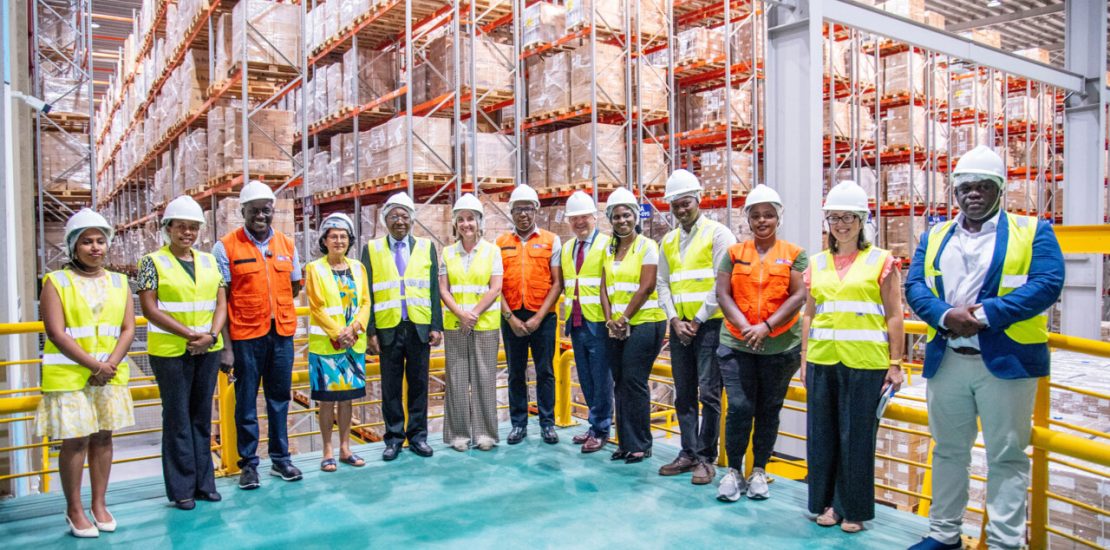
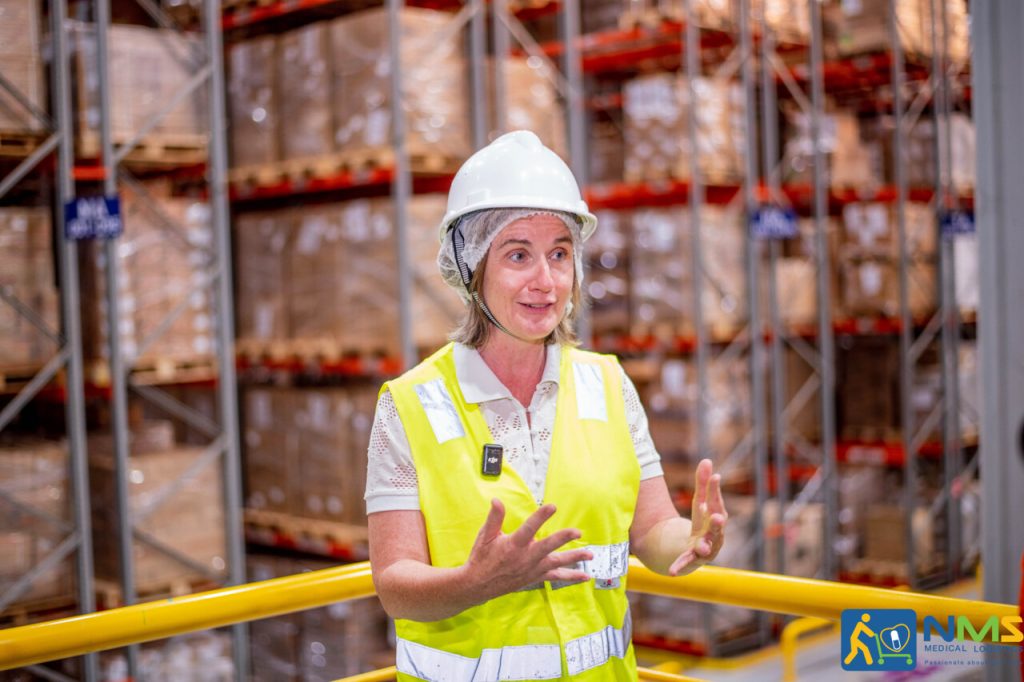
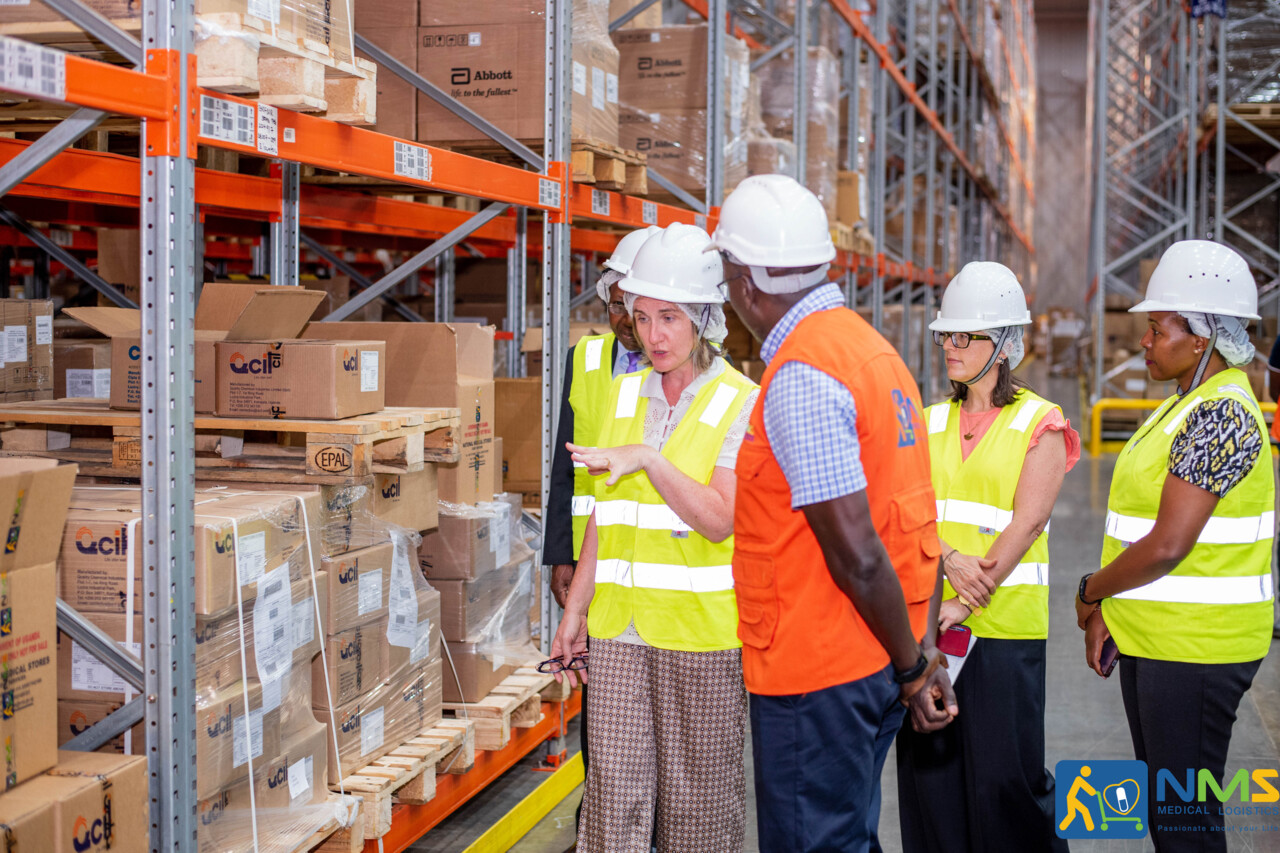
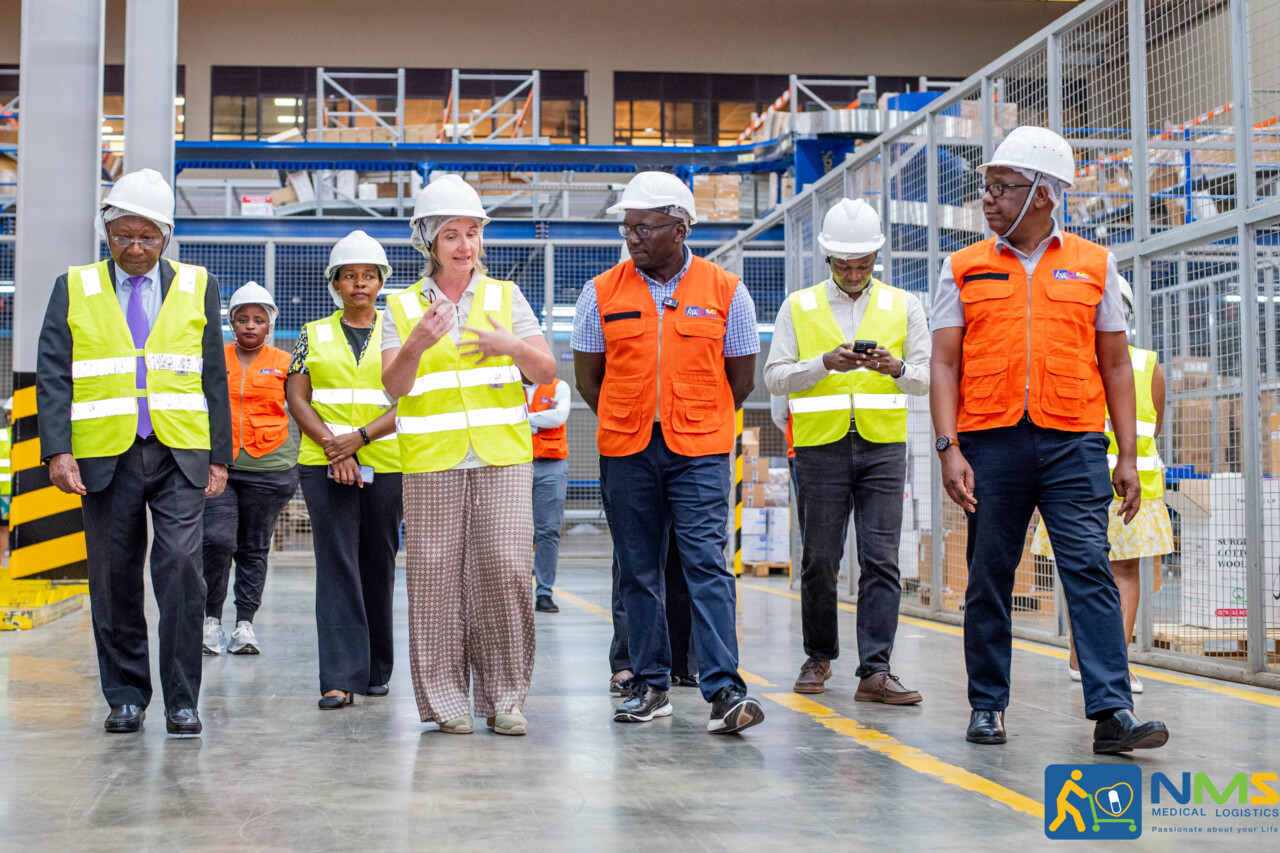
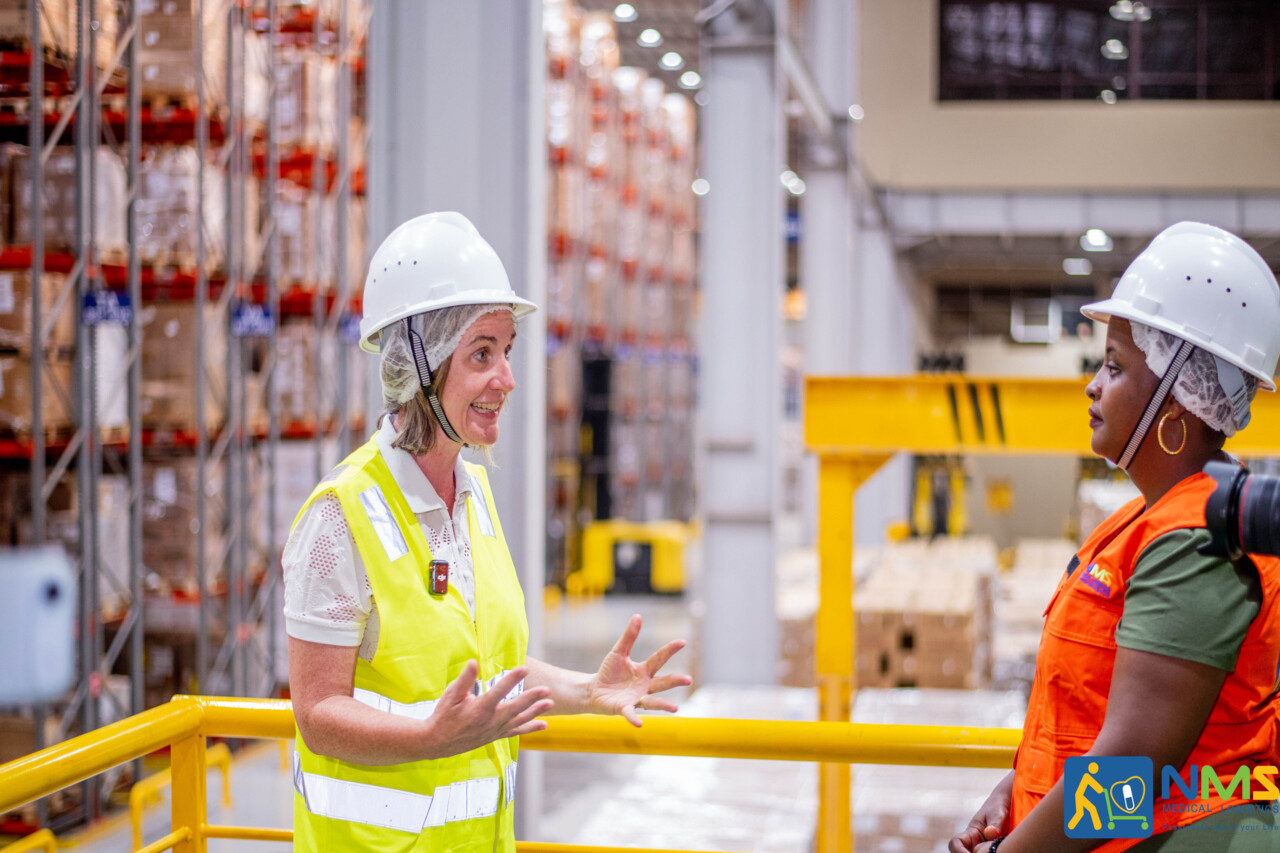
On 28th July 2026,NMS opened its doors to a distinguished United Kingdom delegation led by Hon. Dr. Beccy Cooper, Private Secretary in the UK Prime Minister’s Office. The visit was more than a ceremonial tour; it was a moment of mutual recognition, accountability and renewed commitment to a partnership that is quietly strengthening health security across Uganda and the wider region. Dr. Cooper’s remarks were generous, precise, and grounded in professional observation. She described the NMS operation as “fantastic” and “logistical.” She praised the organisation’s ability to stock the medicines required by public health facilities across the entire country and noted Uganda’s leadership in supporting regional responses, particularly to Ebola outbreaks in the Congo. The Kajjansi facility, she observed, is well positioned to strengthen that work.
“Uganda should be incredibly proud of this facility,” she stated more than once. She welcomed the visible partnership between the Government of Uganda, Gavi, and UNICEF that supported putting up such a multiplex facility, describing it as something that “will benefit the people of Uganda now and in many years to come.”
Speaking as a doctor, her final reflection carried particular weight: “Very pleased to visit the facility, and as a doctor I am very pleased to see all these medicines being delivered sufficiently and effectively to keep people healthy.”
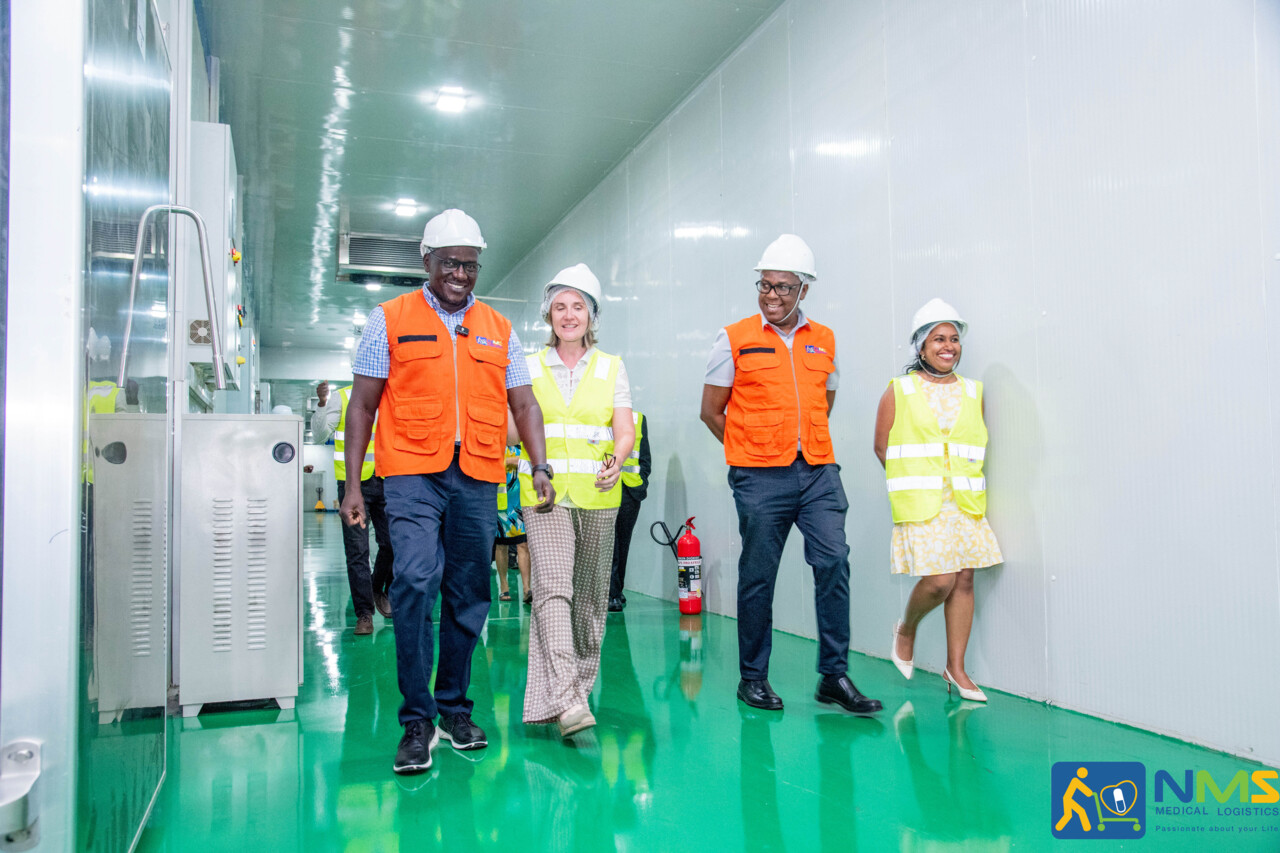
Accompanying the prime minister was Uganda’s High Commissioner to the UK Ambassador Nimisha Madhvani,who emphasized that Uganda has made clear, visible progress in managing major health challenges specifically malaria, TB and Ebola—and is now strong enough to handle these largely on its own. Uganda is capable of managing its own health systems and this self-reliance sends a strong message to the UK government. She also recognized the excellent approach of maintaining medicine temperatures in the cold chain rooms and affordable quality medicines through local industries like Uganda Quality Chemicals Limited. This local capacity helps keep essential medicines available and protects people’s health.
Ambassodor Nimisha Madvani further argued that instead of simply providing cash, partners should supply equipment like X-ray & IMR machines together with training for nurses and midwives . This model will ensure that many more people in Uganda benefit from improved healthcare than five or more people going to seek treatment from the UK.
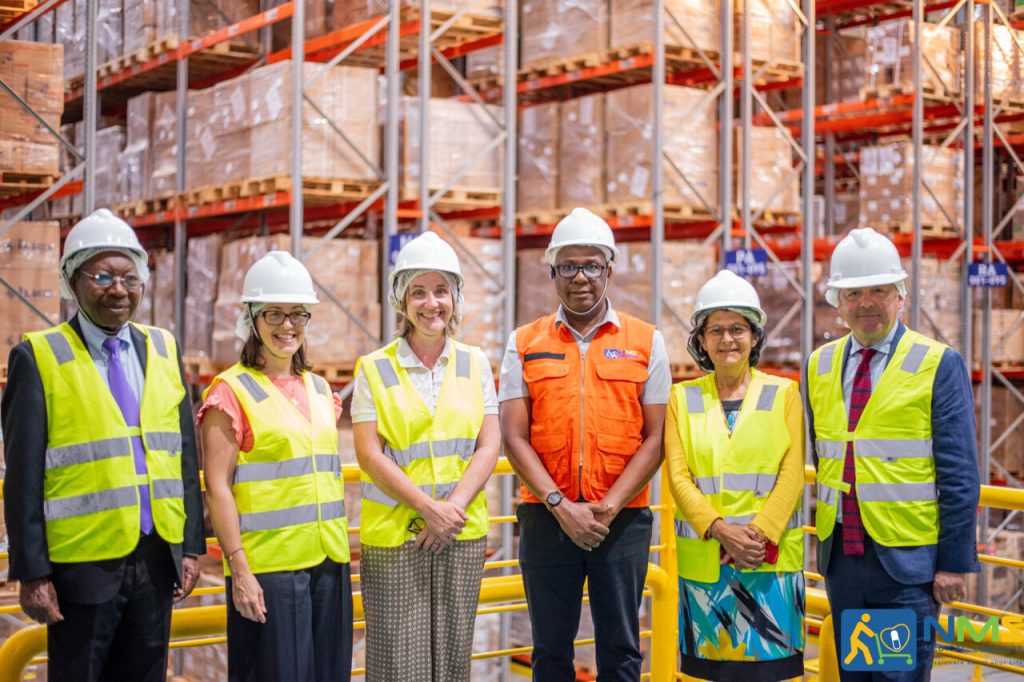
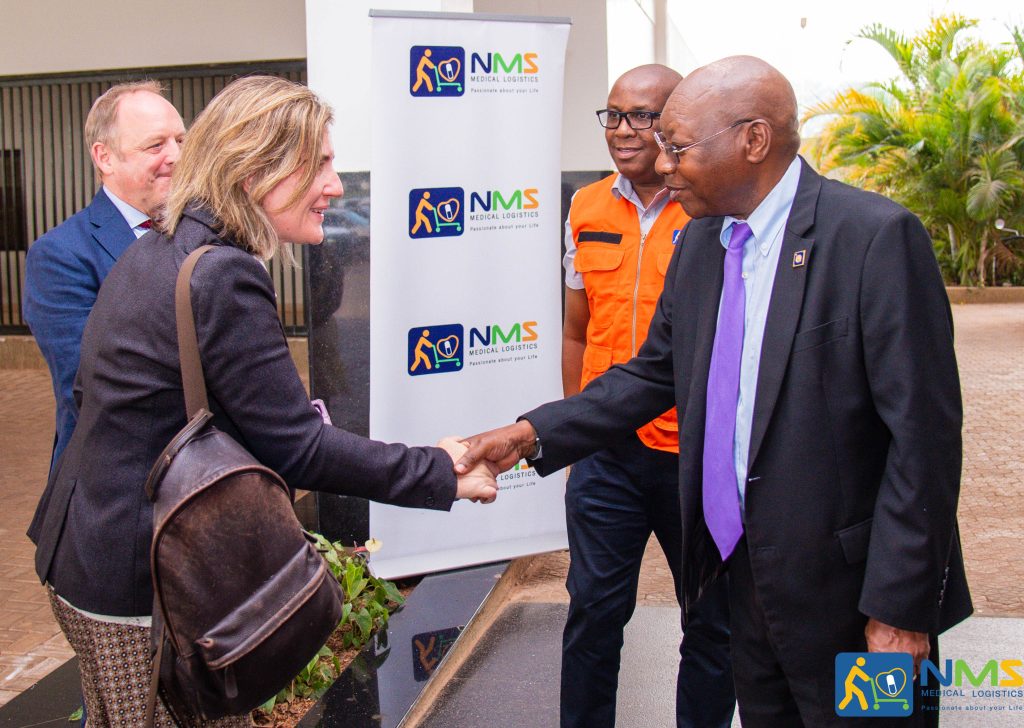
From the NMS leadership, The Board Chairman, Dr.Jotham Musingunzi captured the essence of the occasion with characteristic clarity. NMS, he said, had hosted the UK Prime Minister’s Office, and Dr. Cooper “was able to witness the tremendous work that NMS is doing with partner support through its mandate.” The visit, in his view, affirmed both the institution’s delivery capacity and the value of sustained external collaboration.
The day was described with quiet satisfaction. “Today has been a great day for NMS,” the CEO, Mr.Moses Kamabare noted. The organisation hosted the UK delegation and took the opportunity to express deep appreciation for the support received from the United Kingdom through a number of agencies, notably the Global Fund and Gavi. This support was instrumental in establishing the new NMS warehouse in Kajjansi and in providing critical medical commodities.
Beyond gratitude, NMS presented clear accountabilities for the resources previously provided.The conversation did not end with past successes, NMS deliberately drew attention to the unfinished work. “We are in a volatile region,” the CEO emphasised. “We already have a command centre supporting the partners that are fighting Ebola in the neighbourhood in the DRC and other countries.”
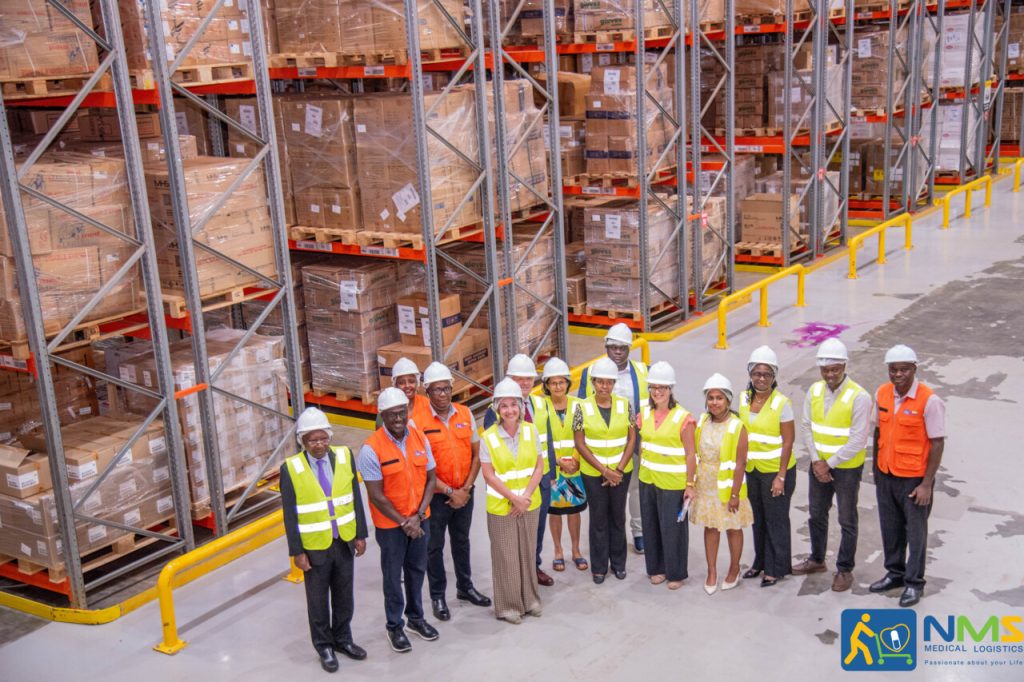
The appeal was direct and strategic: partnerships are not optional. “One country, one organisation is not able to do much. So we leverage the competencies of different partners to be able to have a united front. Because when we do not partner, diseases will spread to the rest of the world. We must manage and contain the problem from where it is so that it does not affect the rest of the world — with the resources and lives being lost.”
The visit to the NMS warehouse in Kajjansi was therefore more than a courtesy call. It was a meeting of minds between an institution that has built a national strategic supply chain and a UK partner that recognises both the achievement and the continuing need for collaboration in a region where health threats do not respect borders.